



📌 Core Essence: Shadow work is the psychological practice of exploring disowned, repressed, and unconscious traits within the psyche—first formalized by Swiss psychiatrist Carl Jung. Learning how to do shadow work requires recognizing emotional triggers, dissolving unconscious projections, and integrating rejected instincts to achieve emotional sovereignty and psychic wholeness.
Table of Contents
- The Architecture of the Shadow: Carl Jung’s Radical Discovery
- Decoding Subconscious Triggers and the Mirror of Projection
- The Dark Night of the Soul and Ego Dissolution
- The 4-Stage Jungian Shadow Integration Framework
- High-Impact Shadow Work Prompts for Daily Introspection
- Frequently Asked Questions About Shadow Work
- Conclusion: From Fragmentation to Individuation
Every human consciousness operates under an invisible split. Society demands a polished exterior—the Persona—a curated mask forged through childhood conditioning, cultural expectations, and survival adaptations. To secure belonging, the ego systematically exiles everything deemed unacceptable: raw aggression, uninhibited desire, radical vulnerability, and unbridled creative power.
These banished fragments do not dissolve into oblivion. They drop below the threshold of waking awareness, congealing into what Swiss psychiatrist Carl Gustav Jung identified as the Shadow Archetype.
Left unexamined, the shadow dictates human behavior from the dark. It erupts as irrational jealousy, sudden emotional paralysis, chronic self-sabotage, and sharp relational conflict. What remains unintegrated on the inside reappears on the outside as apparent fate.
Mastering how to do shadow work is neither a sentimental wellness trend nor an exercise in self-reproach. It is an exacting discipline of psychic architecture. By turning the spotlight of awareness into the basement of the subconscious, you stop outsourcing your authority to phantom triggers, reclaim buried creative vitality, and commence the sacred work of individuation.
The Architecture of the Shadow: Carl Jung’s Radical Discovery
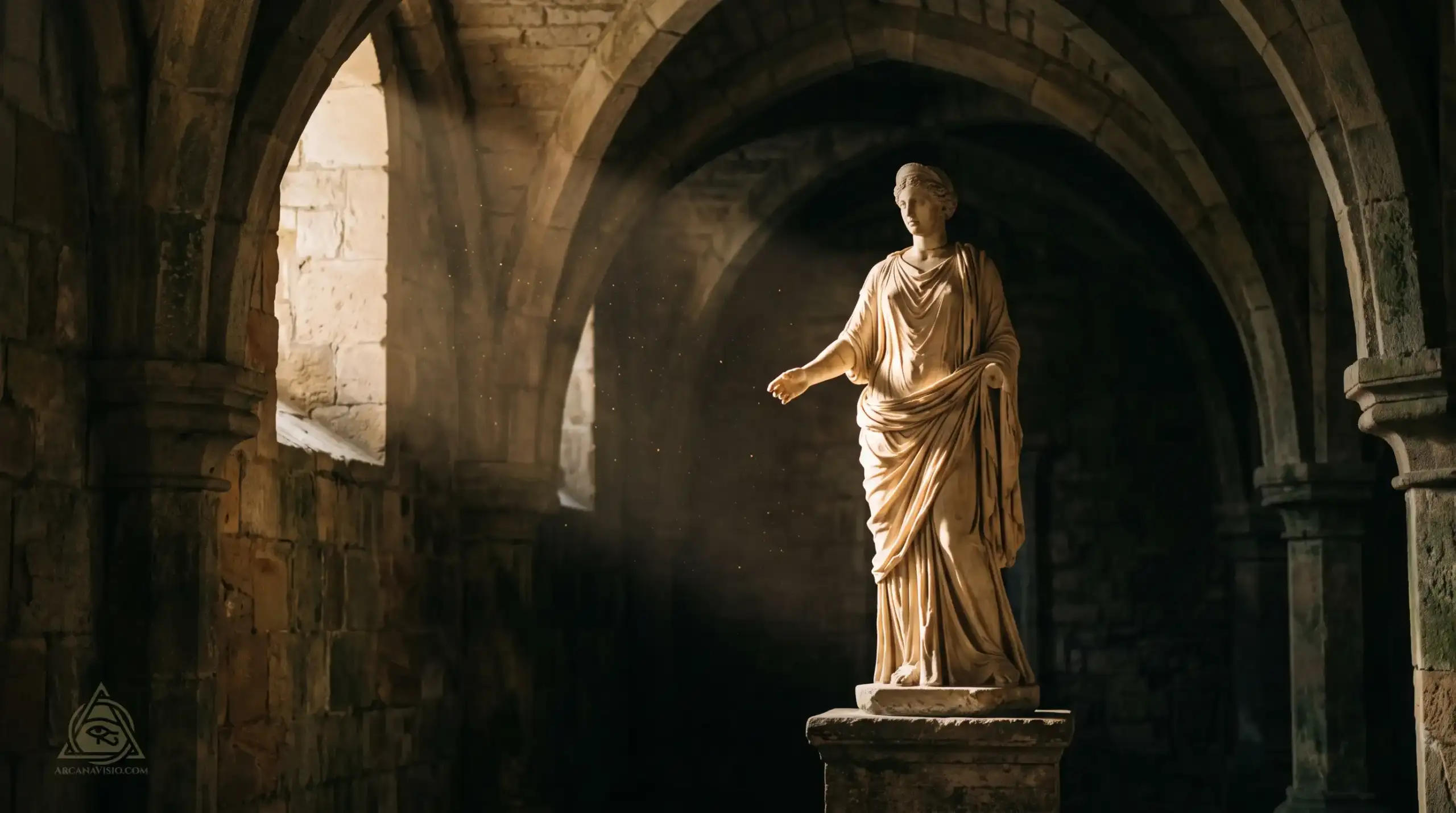
Modern culture treats personal discomfort as a defect to medicate or bypass. Depth psychology offers a vastly different premise: psychological fractures are not failures of character, but structural adaptations of the human psyche.
When Swiss psychiatrist Carl Gustav Jung parted ways with Sigmund Freud in the early twentieth century, he rejected the view of the unconscious as merely a biological landfill of repressed sexual impulses. Jung recognized the unconscious as an active, living ecosystem governed by archetypes—universal symbolic blueprints embedded in the collective human inheritance. At the threshold of this inner landscape stands the shadow.
Persona vs. Shadow: The Mechanics of Psychological Repression
Every child arrives in the world as an undivided totality of instinct, expression, and feeling. However, survival within human society requires rapid socialization. Family systems, academic institutions, and religious conditioning dictate which behaviors earn praise and which invite ostracism.
To navigate this selective environment, the emerging ego constructs the Persona—derived from the Latin word for an actor’s theatrical mask. The Persona gathers the traits that ensure safety, love, and social approval: politeness, compliance, intellectual competence, or emotional restraint.
Yet psychic energy cannot be annihilated; it can only be displaced. For every boundary erected by the conscious Persona, an equal and opposite charge is banished into the unconscious. If a child learns that expressing righteous anger results in withdrawal of parental affection, anger does not vanish. It drops below conscious awareness, crystallizing into the shadow.
🔬 Scientific Foundation: In his foundational treatise Aion: Researches into the Phenomenology of the Self (1951), Jung emphasized that the shadow is an unavoidable moral problem that challenges the whole ego-personality. Becoming conscious of it involves recognizing the dark aspects of the personality as present and real—the indispensable prerequisite for any authentic self-knowledge.
As adulthood approaches, the gap between the cultivated mask and the subterranean psyche widens. The more pristine and morally inflexible the Persona becomes, the more primitive, volatile, and compensatory the shadow grows beneath it.
The Golden Shadow: Unclaimed Genius and Disowned Vitality
A common misconception reduces the shadow to malice, destructive impulses, and moral depravity. Jungian analyst Robert A. Johnson clarified that the shadow is roughly ninety percent pure gold.
Repression does not discriminate between socially condemned vices and luminous virtues. Individuals raised in environments where excellence evoked envy, where emotional sensitivity was mocked as weakness, or where leadership was punished as arrogance will exile their highest potentials into the dark:
- Sovereignty and Boundary Enforcement: Misidentified as cruelty, leading to chronic people-pleasing.
- Creative and Erotic Fire: Misidentified as chaotic deviance, leading to emotional numbness.
- Intellectual Authority: Misidentified as pride, leading to the imposter syndrome phenomenon.
💡 Insight: What you envy or revere most intensely in others is often your own Golden Shadow projected outward. You admire their boldness, eloquence, or sovereignty because your psyche recognizes its own dormant power trapped beneath unconscious prohibitions.
Understanding this dynamic is the cornerstone of Depth Psychology & Shadow Work. Without reclaiming these disowned faculties, the individual remains fragmented, acting out unconscious compulsions while wondering why life feels drained of genuine vitality.
Decoding Subconscious Triggers and the Mirror of Projection
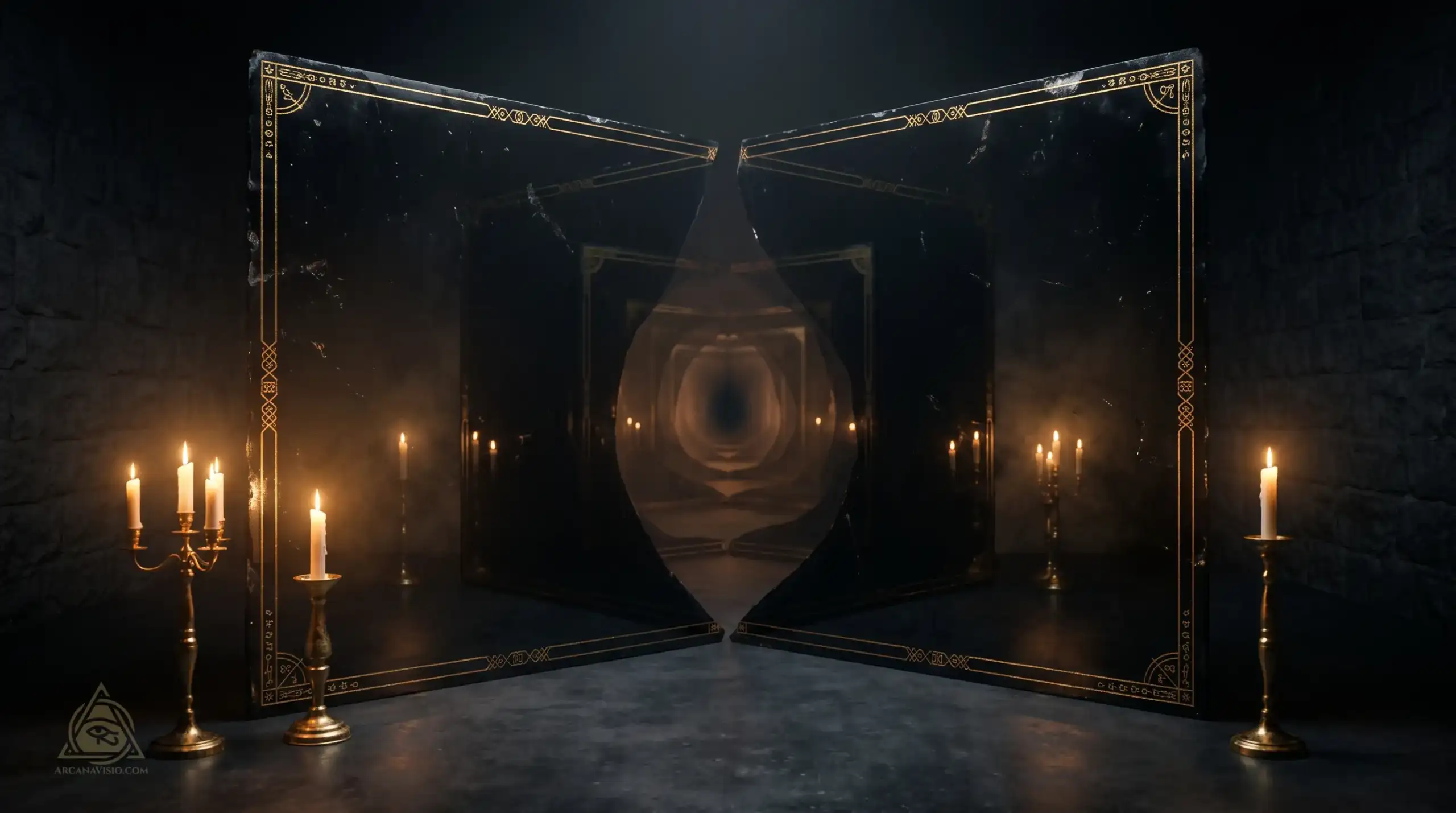
The unconscious mind lacks the capacity for abstract self-auditing. Because repressed material is defended by layers of ego-resistance, the psyche cannot perceive its shadow directly within itself. Instead, it utilizes the external environment as an involuntary projector screen.
This phenomenon is psychological projection. Carl Jung noted with clinical precision: “Everything that irritates us about others can lead us to an understanding of ourselves.”
Whenever an encounter with another person triggers an intense emotional reaction disproportionate to the actual event—disgust, moral outrage, obsessive envy, or contempt—you are not observing objective reality. You are confronting your own disowned psyche mirrored back to you.
The Mechanics of Psychological Projection: The World as a Mirror
Projection is an involuntary defense mechanism designed to protect the fragile ego from cognitive dissonance. If the conscious Persona is invested in being kind, peaceful, and generous, it cannot tolerate the realization that it also possesses cruelty, rage, or self-centeredness.
When another individual openly displays those forbidden behaviors, the unconscious instantly flags them. The ego attacks the other person with moral ferocity, unaware that it is violently condemning its own suppressed tendencies.
🔬 Scientific Foundation: Jungian analyst Marie-Louise von Franz demonstrated in Projection and Re-Collection in Jungian Psychology (1980) that all projections provoke illusions about other people. Projection operates autonomously; the ego does not produce it consciously. The work of self-realization consists entirely of recognizing where one has projected inner contents onto the external world and withdrawing those projections back into the psyche.
Understanding this dynamic transforms interpersonal friction. Instead of wasting energy trying to change or criticize others, the practitioner uses emotional reactivity as a forensic map of the subconscious.
The 4 Archetypal Triggers: Deconstructing Everyday Irritation
Emotional triggers are not random neuroses; they follow specific archetypal patterns. By analyzing the precise nature of the charge, you identify exactly which part of your energy architecture is trapped in exile:
- Moral Outrage and Self-Righteous Judgment: A visceral contempt for people who break rules, take up space, or indulge their desires. This reveals a severely repressed appetite for freedom, self-permission, and raw instinct.
- Chronic Envy and Resentful Criticism: An obsession with trivializing the accomplishments, visibility, or wealth of others. This marks the presence of the Golden Shadow—unclaimed ambition and creative power that the ego was taught to fear.
- Contempt for Neediness and Vulnerability: Aggressive irritation toward those who cry, seek help, or admit fatigue. This exposes an inner child that was forced into premature adult self-reliance, exiling its own legitimate needs.
- Compulsive Caretaking and Rescuing: Anxiety provoked by another person’s discomfort, driving an urge to fix or manage them. This projects one’s own disowned helplessness, attempting to soothe personal unworthiness through external control.
Comparative Analysis: Reactive Projection vs. Conscious Shadow Recognition
To distinguish between unconscious reactivity and psychological integration, observe how the psyche processes high-friction moments:
| Trigger Scenario | Unconscious Reactive Projection | Shadow Diagnosis | Integrated Reclamation |
|---|---|---|---|
| Colleague boasts about achievements in public | “They are an arrogant narcissist who needs to be humbled.” | Exiled self-advocacy and fear of personal visibility. | Claiming personal competence and asking for deserved recognition directly. |
| Partner expresses strong boundary or says “no” | “They are cold, unloving, and deliberately hurting me.” | Exiled sovereignty and chronic people-pleasing guilt. | Respecting autonomy and learning to state personal boundaries without apology. |
| Stranger exhibits flamboyant, uninhibited style | “That is ridiculous, vulgar, and completely inappropriate.” | Suppressed creative eccentricity and fear of public judgment. | Granting oneself permission to express authentic aesthetic individuality. |
This diagnostic rigor is essential for systemic Shadow Integration. Without dismantling the mirror of projection, personal development remains an intellectual exercise that leaves the subterranean roots of behavior untouched.
The Dark Night of the Soul and Ego Dissolution

There comes a moment in deep psychological self-inquiry when the polished machinery of the ego breaks down. The coping mechanisms, achievements, and social validations that sustained the personality for decades suddenly lose their taste. Meaning evaporates. Ambition stalls. A suffocating heaviness settles over the psyche.
Modern psychiatry routinely pathologizes this state as an acute depressive episode, rushing to suppress it with pharmacology or cognitive behavioral reframing. While clinical conditions demand competent psychiatric care, depth psychology recognizes a profound category error: treating an existential rite of passage as a mere biological malfunction.
This disorientation is often what mystical traditions call the Dark Night of the Soul, and what alchemical psychology formalizes as the Nigredo—the blackening.
Differentiating Clinical Depression from Alchemical Nigredo
Understanding the boundary between clinical lethargy and transformative ego dissolution is crucial for anyone navigating intensive shadow confrontation:
- Clinical Depression: Characterized by a global loss of vital capacity, pervasive helplessness, psychomotor retardation, and chronic apathy that isolates the individual from meaning altogether.
- The Alchemical Nigredo: A purposeful, albeit agonizing, collapse of the false self. The suffering carries an existential urgency; the psyche is mourning the death of illusions, hollow relationships, and unauthentic career paths that the Persona outgrew.
During the Nigredo, the shadow does not politely knock on the door; it inundates the conscious perimeter. Unacknowledged grief, volcanic rage from childhood betrayals, and the terror of absolute vulnerability breach the surface.
🔬 Scientific Foundation: In Anatomy of the Psyche: Alchemical Symbolism in Psychotherapy (1985), Jungian psychoanalyst Edward Edinger observed that the mortificatio and nigredo represent the breakdown of the original naive ego identity. The old structure must rot—undergo symbolic putrefaction—before psychic elements can reorganize at a higher level of complexity and integration.
When the fabricated self dissolves, it feels like psychological dying. In truth, it is the death of an impostor.
The Threshold of Ego Dissolution: Dismantling the Survival Mask
The ego views shadow integration as an existential threat because it equates its current defenses with physical survival. The mind fears that if it acknowledges its inner cruelty, it will become monstrous; if it exposes its radical need, it will be abandoned; if it admits its creative grandeur, it will be destroyed by criticism.
Navigating this threshold requires enduring the tension of opposites without collapsing into destructive acting-out or defensive retreat:
- Suspending the Urge to “Fix”: The immediate reflex during a dark night is frantic self-improvement. Seekers read more books, adopt rigid spiritual routines, or seek positive affirmations. Real shadow work demands the exact opposite: remaining motionless in the dark and allowing the unintegrated sorrow to speak without censorship.
- De-identifying from the Persona: You are not your career title, your reputation as a “good person,” or your historical trauma narrative. These were adaptive shelters built for a season that has passed.
- Holding the Tension of the Opposites (Coincidentia Oppositorum): Recognizing that you are simultaneously capable of profound grace and devastating pettiness. Maturity is not the eradication of duality, but the capacity to hold both poles in conscious awareness without fracturing.
💡 Insight: The Dark Night of the Soul does not occur to destroy you. It occurs because the Persona you built to survive childhood is too small to contain the full magnitude of your actual soul.
This descent into the unconscious basement is the central axis of Mind Architecture & Depth Psychology. Only when the ground of false certainty dissolves can authentic psychic architecture take root.
The 4-Stage Jungian Shadow Integration Framework

Shadow work often fails when approached as a vague, purely intellectual meditation. Without an operative methodology, the ego simply re-labels its existing biases, intellectualizes its flaws, and continues repressing uncomfortable impulses.
To integrate unconscious material effectively, depth psychology relies on an exacting sequence that moves from visceral detection to conscious behavioral assimilation.
Radical Awareness: Spotting the Psychic Leak
The shadow rarely announces itself in daylight. It leaks through three specific involuntary channels:
- Autonomic Spikes: Sudden visceral tightness in the solar plexus, throat constriction, or erratic heartbeat during an otherwise ordinary interaction. The body detects unconscious material long before the intellect registers it.
- Psychological Slips and Jokes: Freudian slips, sarcastic humor, and cruel “teasing” that conceal repressed hostility.
- Recurring Relationship Antagonists: The persistent appearance of the same archetype across romantic partners, business associates, or family members. If every authority figure feels tyrannical, tyranny is an unexamined node in your own psychic architecture.
When a trigger detonates, halt the impulse to retaliate or explain yourself. Note the exact physical sensation and write down the uncensored thought running through your mind.
Non-Judgmental Witnessing: Disarming the Inner Inquisitor
The second stage demands an unconditional ceasefire against yourself. The moment a repressed impulse surfaces—such as malicious envy or destructive spite—the moralistic super-ego rushes in to condemn it.
Self-condemnation is not integration; it is secondary repression. When you shame yourself for feeling petty or aggressive, you force that impulse back into the cellar.
To witness the shadow, you must adopt the posture of a forensic scientist observing a natural specimen. Acknowledge the feeling without moralizing: “A part of me currently wants this person to fail so that I can feel secure.” Stating the raw reality strips the shadow of its demonic charge.
Active Imagination: Dialoguing with the Subconscious Figure
Formalized by Carl Jung during the creation of his legendary Liber Novus (The Red Book), active imagination is a waking dialectical practice that bridges the conscious ego and the unconscious mind.
🔬 Scientific Foundation: Jung established Active Imagination as a clinical technique wherein the conscious mind remains awake and alert while allowing unconscious archetypal imagery to animate spontaneously. By entering a conscious conversation with these personified figures, the individual establishes a living conduit between the ego and the deep Self.
The Protocol:
- Sit in stillness in a dimly lit room without digital distractions.
- Recall the recent trigger until the emotional charge returns to the body.
- Allow the emotion to coalesce into a spontaneous personification: an angry soldier, an emaciated prisoner, a feral beast, or an arrogant courtier. Do not force or invent this figure; observe who emerges.
- Open a journal and write a direct dialogue. Address the figure directly: “What are you guarding? What do you require from me?”
- Allow the shadow figure to answer on the page without conscious filtering. The answers will surprise, disturb, and clarify your hidden motives.
Behavioral Assimilation: Channeling the Exiled Energy
Integration is incomplete until it manifests in physical reality. The shadow does not want to remain locked in a diary; it wants its rightful share of participation in your waking life.
Because the shadow holds the raw vitality that the sanitized Persona discarded, assimilation means redirecting that energy into healthy, conscious expression:
- If your shadow holds repressed aggression: Stop people-pleasing. Use that assertive fire to say a clean, unwavering “no” to an exploitative request.
- If your shadow holds suppressed vanity: Stop hiding your competence behind false modesty. Step into public visibility and present your work with calm authority.
- If your shadow holds disowned vulnerability: Drop the hyper-independent shield and ask a trusted peer for practical assistance.
🛠️ Practical Protocol: Integration is not becoming your dark side; it is refusing to lie about its existence. When you consciously invite the shadow to sit at your council table, it no longer needs to hijack the driver’s seat.
Mastering this operational discipline is the objective of our structured Shadow Integration Protocols, turning subconscious friction into sovereign momentum.
High-Impact Shadow Work Prompts for Daily Introspection

Reading about depth psychology without writing is merely another sophisticated form of ego evasion. The analytical mind is an expert at circular reasoning; it will rationalize away its repressions the moment they are challenged in abstract thought.
To pierce these defense mechanisms, you must write by hand. Transferring thought to paper engages distinct motor and neural pathways, bypassing the quick rationalizations of the prefrontal cortex. Write without editing, punctuation policing, or concern for morality. The objective is uncensored forensic honesty.
Relational Mirroring and Projective Triggers
These inquiries deconstruct the illusions you maintain about the people around you:
- The Disproportionate Reaction: Identify a specific person whose presence or speech irritates you instantly. What specific trait do they embody that you would feel deep shame or terror displaying yourself?
- The Secret Superiority: In what areas of life do you consider yourself morally, spiritually, or intellectually superior to your peers? What profound insecurity does this pedestal protect you from confronting?
- The Unforgivable Transgression: What behavior in a partner or friend feels completely unforgivable? Where in your private life have you committed that same transgression symbolically or in fantasy?
- The Approval Debt: What lie do you consistently tell to maintain peace in your primary relationships? What would collapse if you spoke the absolute truth?
Ambition, Wealth, and the Golden Shadow
These prompts locate the luminous power, sovereign leadership, and creative fire you exiled to remain safe:
- The Envy Audit: Name three individuals whose success, lifestyle, or visibility triggers bitterness or cynicism in you. Strip away your criticisms: what exact capability of theirs is calling out for activation in your own life?
- The Fear of Magnitude: If you were guaranteed that you could not fail and that you would not be hated for your brilliance, what massive enterprise or creative work would you begin tomorrow morning?
- The False Humility Mask: In what situations do you play small, feign incompetence, or self-deprecate to avoid making others feel uncomfortable or threatened by your presence?
- The Wealth Taboo: What was the unspoken emotional rule regarding money, luxury, or authority in your childhood home? How do you subconsciously sabotage your financial expansion to stay loyal to that ancestral limitation?
Sovereignty, Anger, and Boundary Enforcement
These prompts reclaim the untamed life-force required to protect personal dignity:
- The Stored Volcano: Complete this sentence ten times without thinking: “If my rage were permitted to speak aloud without consequence, it would scream…”
- The Resentment Ledger: Where in your current life are you saying “yes” while your stomach is screaming “no”? What price are you paying in vitality to avoid the temporary discomfort of confrontation?
- The Good Child Curse: What part of your wild, instinctual nature did you bury alive so that your parents or guardians would consider you a “good child”?
- The Sovereignty Reclamation: If you stopped managing other people’s emotional states and completely accepted their disappointment in you, what immediate decision would you make today?
💡 Insight: A fruitful shadow work session does not leave you feeling serene and validated. It leaves you exposed, breathless, and slightly uncomfortable. That visceral discomfort is the sound of an old survival mechanism losing its grip.
Integrating these inquiries into your weekly routine grounds the broader study of Depth Psychology & Shadow Work, shifting you from intellectual understanding into tangible psychological maturity.
Frequently Asked Questions About Shadow Work
Can Shadow Work Trigger Acute Psychological Distress?
Yes, if approached without emotional stability or grounded containment. Confronting unintegrated material exposes the ego to memories, rage, and shame that were repressed precisely because they overwhelmed the developing psyche. Individuals dealing with active trauma, dissociative disorders, or borderline instability should conduct shadow work under the direct guidance of a licensed depth psychotherapist rather than practicing unsupervised introspection.
How Long Does It Take to Integrate the Shadow?
Shadow integration is an ongoing evolutionary process, not a mechanical task with a completion date. The unconscious is vast; as you expand into new phases of leadership, relationship, and creative mastery, fresh layers of the shadow reveal themselves. Significant relief from chronic behavioral loops typically emerges within three to six months of consistent daily journaling, trigger tracking, and active imagination.
What Is the Difference Between the Shadow and Unresolved Trauma?
While deeply interconnected, they occupy different dimensions of the psyche:
- Trauma: The somatic and psychological injury resulting from an overwhelming event that shattered nervous system regulation.
- The Shadow: The adaptive behavioral split that formed in response to that trauma to ensure survival.
Trauma requires somatic stabilization and emotional discharge; shadow work deconstructs the psychological identity, false beliefs, and defensive masks constructed around that wound.
How Do You Know When a Shadow Trait Is Successfully Integrated?
Integration is signaled by emotional neutrality. When the trait in question—whether public criticism, another person’s arrogance, or an unexpected setback—no longer produces an involuntary autonomic spike or an obsessive urge to attack, the material is integrated. You perceive the phenomenon objectively without defensive distortion. Furthermore, the energy previously spent maintaining the repression becomes available as creative drive, humor, and calm authority.
What Is the Golden Shadow and Why Do People Fear It?
The Golden Shadow consists of disowned virtues, creative genius, spiritual intuition, and leadership capacity. Individuals fear their Golden Shadow because stepping into authentic greatness demands absolute accountability. It strips away the comforting excuses of victimhood, forces the individual out of the safety of the collective herd, and requires bearing the responsibility of personal sovereignty.
Conclusion: From Fragmentation to Individuation
The ultimate objective of shadow integration is what Carl Jung termed Individuation—the lifelong process of unifying disparate psychic fragments into a coherent, self-regulated whole.
As long as the shadow remains exiled, you live as a passenger in a vessel piloted by phantom fears and involuntary compulsions. You react to mirrors, war with projections, and call the resulting wreckage destiny.
By daring to cross the threshold of your own subconscious, you cease running from the dark. You retrieve the raw gold of your instinctual vitality, dismantle the fragile armor of the Persona, and claim sovereignty over your inner kingdom. Wholeness does not mean perfection; it means holding the full spectrum of your human reality with unyielding awareness.
The Arcana Visio Sanctum
True depth work is not a solitary sprint; it is an alchemical apprenticeship. For seekers committed to structural inner transformation, the Arcana Visio ecosystem offers three dedicated tiers of operative study and architectural self-knowledge:
- The Seeker Tier: Monthly 9-page executive PDF Grimoires formatted in signature obsidian and antique gold, complete with deep psychological breakdowns, ritual study frameworks, and high-impact journaling protocols. Available inside the Arcana Visio Patreon.
- The Adept Tier: Advanced operative curricula featuring guided audio practices, somatic nervous system modulations, and intensive 14-day transformational modules designed to transmute psychological resistance into sovereign power.
- The Personal Blueprint: If you seek an exact mathematical diagnostic of your core archetypal codes, karmic vectors, and financial lines calculated across the 22 Major Arcana, commission your individual dossier through NAVIGATOR: 12 Keys to Yourself.
